
Quick Overview
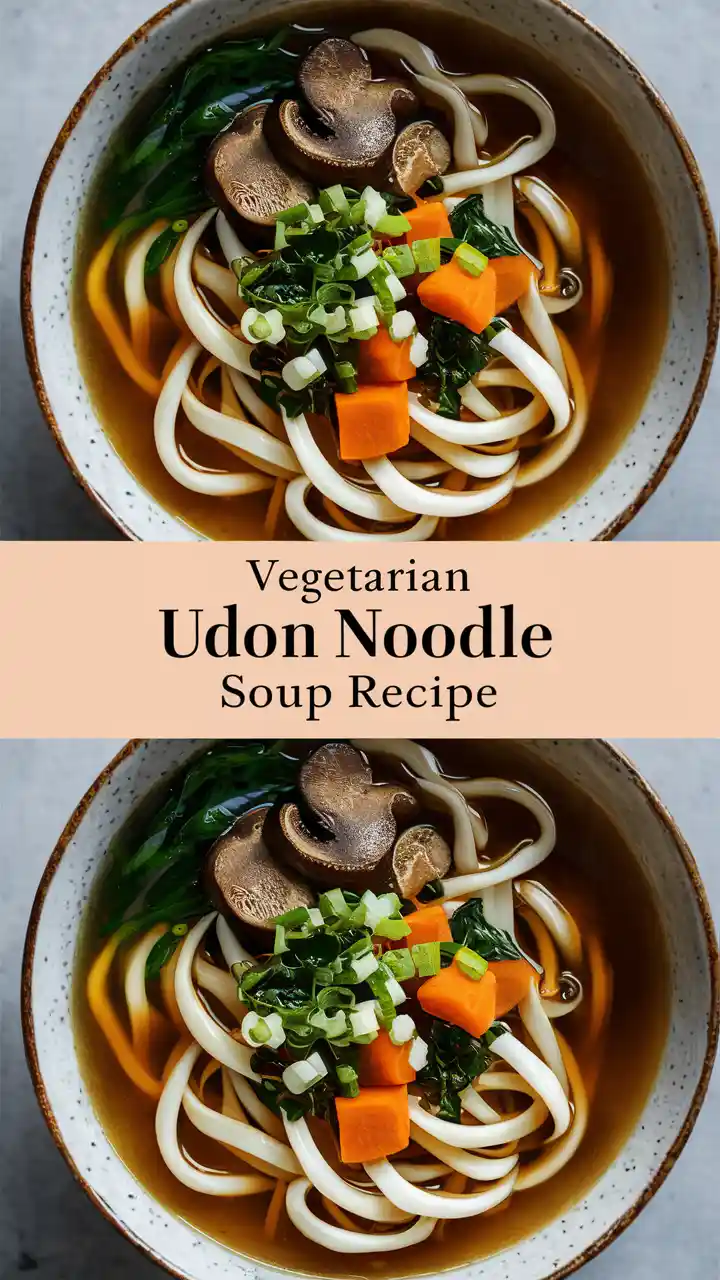
Vegetarian Udon Noodle Soup is a Japanese-inspired comfort dish made with thick udon noodles, a deeply savory plant-based dashi broth, tofu, and seasonal vegetables. This recipe delivers restaurant-quality umami without fish or meat, making it ideal for vegetarians and anyone seeking a nourishing, satisfying meal.
Why This Vegetarian Udon Soup Stands Out
This recipe is not just “meatless”—it is intentionally designed for flavor depth.
Most vegetarian noodle soups taste flat because they rely only on soy sauce. This version builds umami correctly by combining natural glutamates and guanylates, the same compounds responsible for the savory taste found in traditional Japanese broths.
What Makes It Exceptional
- True umami without shortcuts using kombu and dried shiitake
- Chewy, authentic udon texture, not soggy noodles
- Balanced seasoning that enhances noodles, not overpowers them
- Flexible ingredients for seasonal and dietary needs
- Wholesome and filling, yet light on digestion
This is the kind of soup that feels comforting but refined.
Understanding Udon Noodles (So You Get the Texture Right)
Udon noodles are thick wheat noodles known for their soft exterior and elastic bite, a quality called koshi in Japanese cuisine.
Best Types of Udon for Soup
- Fresh udon (best choice) – Soft, springy, cooks in minutes
- Frozen udon – Nearly identical texture to fresh, very convenient
- Dried udon – Pantry-friendly but slightly less chewy
💡 Tip: Always cook udon in unsalted water. The broth provides all the seasoning.
The Science of a Great Vegetarian Dashi
Traditional dashi uses fish flakes, but a powerful vegetarian dashi is created through ingredient synergy.
Key Umami Ingredients
- Kombu (dried kelp): High in glutamates (clean, savory base)
- Dried shiitake mushrooms: Rich in guanylates (deep, earthy notes)
When combined, these compounds amplify each other, creating a broth that tastes rich, complex, and satisfying—without animal products.
⚠️ Important: Kombu must never boil. Overheating causes bitterness.
Ingredients (Serves 2 Large Bowls)
Vegetarian Dashi Broth
- 4 cups filtered water
- 1 piece kombu (about 4×4 inches)
- 4–5 dried shiitake mushrooms
- 3 tbsp Japanese soy sauce (or tamari)
- 2 tbsp mirin
- 1 tbsp sake (optional)
- 1 tsp maple syrup or sugar (optional)
- ¼–½ tsp salt, to taste
Soup Components
- 2 servings udon noodles (fresh or frozen recommended)
- ½ block firm tofu, pressed and sliced
- 2–3 small bok choy, halved
- 4–5 fresh mushrooms, sliced
- 1 small carrot, julienned
- 2 scallions, thinly sliced
- 1 tbsp neutral oil
Garnishes (Optional but Recommended)
- Toasted sesame oil
- Toasted sesame seeds
- Nori strips
- Shichimi togarashi
Step-by-Step Instructions
1️⃣ Prepare the Dashi
- Gently wipe kombu (do not rinse).
- Combine water, kombu, and dried shiitake in a saucepan.
- Soak 30 minutes (or overnight for deeper flavor).
- Heat slowly until small bubbles appear.
- Remove kombu before boiling.
- Simmer shiitake for 10–15 minutes.
- Strain broth; reserve mushrooms.
- Season with soy sauce, mirin, sake, and sweetener.
- Taste and adjust salt.
2️⃣ Prepare Toppings
- Lightly pan-sear tofu until golden.
- Sauté mushrooms, carrots, and scallion whites.
- Blanch bok choy briefly to retain color.
3️⃣ Cook the Noodles
- Boil udon according to package directions.
- Drain and rinse briefly under cold water.
- Shake off excess moisture.
This step prevents gummy noodles.
4️⃣ Assemble the Bowls
- Divide noodles into bowls.
- Arrange tofu and vegetables neatly.
- Ladle hot broth over everything.
- Finish with sesame oil, scallions, seeds, and nori.
Serve immediately.
Nutrition Overview (Estimated Per Serving)
- Calories: 550–700
- Protein: From tofu and wheat noodles
- Fat: Low in saturated fat
- Cholesterol: 0 mg
- Dietary Pattern: Vegetarian, vegan-friendly
This soup supports a balanced, plant-forward diet without heaviness.
Storage & Meal Prep Tips
- Broth: Refrigerate up to 4 days or freeze up to 2 months
- Toppings: Prep vegetables 1 day ahead
- Noodles: Always cook fresh for best texture
Reheat broth gently—do not boil.
Common Questions
Is this soup vegan?
Yes. Use maple syrup instead of sugar if preferred.
Can I make it gluten-free?
Use tamari and substitute thick rice noodles.
Is udon healthier than ramen?
Udon is lower in fat and typically less processed than ramen noodles.
Can kids eat this?
Yes. Skip spicy toppings for child-friendly bowls.
Final Thoughts
This Vegetarian Udon Noodle Soup proves that plant-based cooking can be just as rich and comforting as traditional versions. With thoughtful technique, proper seasoning, and high-quality ingredients, this dish delivers warmth, nourishment, and deep satisfaction in every bowl.